
Poor plumbing can lead to a lot of problems for your business. It reduces your property’s value, creates health hazards for employees and customers, leads to fines, and can disrupt daily operations, making it crucial to always adhere to Adelaide’s commercial plumbing regulations.
Even if there aren't any noticeable leaks or unpleasant smells, hidden problems could be lurking beneath the surface, gradually causing damage that will eat up your budget. On the other hand, understanding the different plumbing regulations in Adelaide can be challenging. Some of the terms are hard to comprehend, commercial properties have more complex plumbing systems than residential buildings, and the code is frequently updated to respond to evolving safety standards and advancements in technology.
In this blog, we’ll explore the key aspects of Adelaide's plumbing regulations and why it’s always wise to have a trusted plumber like World of Water to ensure your property complies with regulations.
What You Need to Know About Adelaide’s Plumbing Regulations.
Key regulations on Adelaide’s commercial property plumbing compliance focus on the installation, maintenance, and operation of plumbing systems, with specific standards for water supply, drainage, and waste management that comply with the Plumbing Code of Australia (PCA) - NCC 2022 Volume Three. Some of the plumbing systems that are regularly inspected in a commercial property include:
- Water supply
- Pipe materials
- Water pressure
- Pipe fittings and valves
- Wastewater disposal
- Drainage system
- Vent systems
To make the plumbing systems in Adelaide more efficient, the South Australian Public Health Act was mandated back in 2011. It’s an act designed to promote public health within the state of South Australia to protect the environment and prevent the outbreak of contagious diseases.
Non-compliance with the PCA and South Australian Public Health Act can result in significant fines, legal liabilities, and potential business closure. As per the Legal Services Commission in South Australia, a business can be fined $75,000, or a $5,000 expiation fee for failing to comply with the South Australian Public Health Act alone.
Necessary Permits for Commercial Plumbing Projects in Adelaide
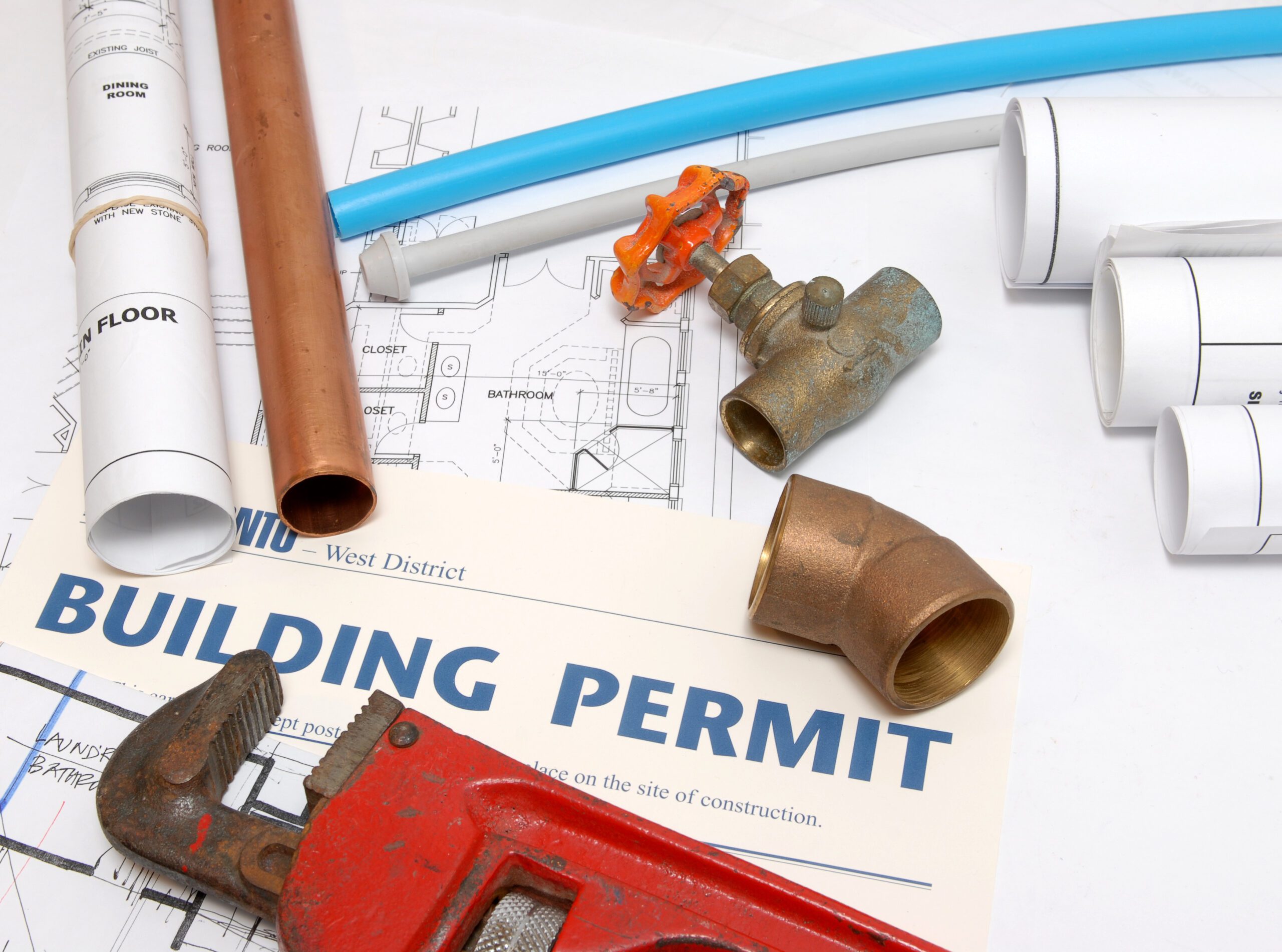
Once you’re familiar with Adelaide’s commercial plumbing regulations, the first step before anyone can perform plumbing repairs or maintenance on a commercial property is to secure the different commercial property plumbing permits in Adelaide. This is a crucial step to ensure compliance with local regulations and the successful completion of any plumbing work.
The first step is getting a plumbing work permit from the relevant planning authority by submitting detailed plans and specifications. These documents must outline the scope of the project, including the types of plumbing installations, materials to be used, and compliance with the PCA and local health regulations.
Once the application is submitted, it undergoes a review process where authorities assess the proposed work's adherence to safety and regulatory standards. The timeline for obtaining permits can vary depending on the project's complexity and the responsiveness of the reviewing bodies, typically ranging from a few weeks to several months.
- Water supply connection permit: If your plumbing work involves connecting to the public water supply.
- Wastewater discharge permit: A permit is needed if you’re connecting to the sewerage system. Depending on the project, some will require a septic tank permit.
- Stormwater management permit: This permit is required to manage stormwater runoff.
- Backflow prevention device permit: If your project involves high-risk water users (e.g., food premises, car washes)
- Cross-connection control permit: This permit is required to prevent contamination of the water supply.
* Be sure to also check with the local government authority as requirements can vary within Adelaide.
Once all the permits have been obtained, the project can proceed. While the project is ongoing, it will also undergo periodic inspections to ensure ongoing compliance with regulations. These inspections are scheduled at various stages of the project, such as after the installation of key components.
How Anyone Can Stay Updated on the Latest Plumbing Codes.
For starters, regularly check the official websites of local regulatory bodies, such as the South Australian Government’s Department for Energy and Mining. You can also subscribe to industry newsletters and join professional organisations like the Master Plumbers Association of South Australia.
To stay up to date with the Adelaide Commercial Plumbing Regulations and the latest technological developments in the plumbing industry, be sure to develop connections by attending industry conferences, workshops, and training sessions. You can also get in touch with World of Water as a valuable resource for industry insights and a trusted name in plumbing all over Adelaide.