
Introduction to Commercial Plumbing Maintenance
Commercial plumbing maintenance in Adelaide involves a proactive approach to ensure the efficiency and longevity of plumbing systems in commercial buildings. Regular maintenance is crucial for preventing costly repairs, minimising downtime, and ensuring the safety of the building's occupants.
By scheduling routine inspections and addressing minor issues before they escalate, businesses can avoid significant disruptions. Overall, the importance of regular maintenance cannot be overstated as it helps maintain optimal functionality, reducing unexpected breakdowns, and extending the lifespan of the plumbing infrastructure.
Benefits of Regular Plumbing Maintenance for Adelaide Businesses
Investing in regular plumbing maintenance offers Adelaide businesses a multitude of long-term benefits that extend beyond mere upkeep. By prioritising proactive maintenance, businesses can significantly reduce the risk of costly repairs and downtime, thus safeguarding their financial resources and operational efficiency.
By conducting inspections and timely repairs, businesses can prevent issues from escalating, reducing the need for costly emergency interventions. Maintaining efficient plumbing systems conserves water and energy, aligning with sustainability goals and cutting utility costs.
Embracing regular maintenance not only promotes the longevity and reliability of plumbing infrastructure but also underscores a commitment to providing safe and comfortable environments for employees and customers alike.
Regular maintenance for commercial plumbing systems is crucial, emphasising its influence on businesses' overall operations while guiding effective maintenance planning.

Prevents Costly Repairs And Downtime:
Regular maintenance is crucial for preventing expensive disruptions and ensuring uninterrupted business operations.

Ensures Health and Safety:
Guaranteeing health and safety remains paramount in commercial plumbing maintenance practices, prioritising the well-being of occupants and workers alike.

Promotes Water Conservation And Sustainability:
Advocating for water conservation and sustainability is integral to commercial plumbing maintenance, aligning businesses with environmentally responsible practices.

Maintains Property Value:
Sustaining property value through diligent plumbing maintenance preserves investments and secures long-term asset appreciation for businesses.

Enhances Customer Experience:
Elevating customer experience hinges on well-maintained plumbing systems, fostering satisfaction and loyalty among patrons through reliable services.
Scheduled Inspections: A Foundation for Plumbing Health
Scheduled inspections for plumbing health are the cornerstone of maintaining optimal plumbing health. Regular monitoring plays a pivotal role in identifying and addressing potential issues before they escalate into costly and disruptive problems.
By adhering to a proactive inspection regime, homeowners and property managers can safeguard against leaks, blockages, and other plumbing malfunctions, ensuring the smooth operation of their systems and the preservation of their property's structural integrity.
12 Essential Tips for Preventive Plumbing Maintenance
1. Be mindful of what you flush down the toilet - Avoid non-biodegradable items to prevent blockages, ensuring smooth plumbing.
2. Inspect toilets for leaks - Add food colouring to check for seepage into the bowl, a simple method for early leak detection.
3. Repair leaking faucets and showerheads - Prevent water waste and potential damage, contributing to water conservation efforts.
4. Check appliances for water leaks - Avoid water damage and mould growth, prolonging the lifespan of your appliances.
5. Be cautious about what goes into the garbage disposal - Prevent clogs by avoiding fibrous or hard materials, and maintaining optimal disposal function.
6. Keep your drains clear - Use hair catchers and avoid pouring grease down sinks, preventing costly blockages and backups.
7. Inspect sewer drains - Prevent sewage backups and costly repairs, ensuring the proper functioning of your sewage system.
8. Check your water pressure - Detect potential leaks or plumbing issues, maintaining efficient water usage.
9. Flush your water heater - Remove sediment buildup for efficiency, extending the life of your water heater.
10. Shut off outdoor fixtures seasonally - Prevent freezing and damage during colder months, preserving the integrity of your outdoor plumbing.
11. Create a preventive maintenance schedule - Stay ahead of potential issues, minimising unexpected plumbing emergencies.
12. Call a professional when needed - Ensure proper repairs and minimise further damage, addressing complex plumbing issues effectively.
Detecting and Addressing Plumbing Issues Early On
Early detection and addressing plumbing issues are crucial for maintaining a functional and efficient plumbing system. Early detection helps prevent minor problems from escalating into major repairs, saving time, money, and inconvenience.
For instance, identifying a small leak early can prevent water damage, mould growth, and structural issues. Regular inspections and maintenance enable homeowners to spot potential issues such as corrosion, blockages, and wear and tear before they cause significant damage.
By prioritising early intervention, homeowners can ensure the longevity and reliability of their plumbing systems while avoiding costly emergency repairs.
10 ways to identify common plumbing problems:
- Increase in water bills: A sudden spike in water bills could signal underlying issues such as pipe leaks or continuously running toilets, prompting the need for an immediate investigation to prevent further financial strain.
- Strange noises: Unusual sounds emanating from pipes may indicate various problems such as air in the pipes, loose fittings, or even mineral buildup, requiring professional assessment to diagnose and rectify the issue effectively.
- Slow drainage: Gradual draining in sinks, showers, or tubs could signify clogs or blockages in the plumbing system, necessitating prompt action to avoid complete blockages and potential water damage.
- Rusty pipes: The presence of rust on pipes suggests corrosion, which can weaken the pipes over time and lead to leaks or bursts, highlighting the need for inspection and possible replacement to ensure water safety and prevent structural damage.
- Weak water pressure: Low water pressure may result from various factors such as clogs, pipe leaks, or problems with the municipal water supply, indicating the need for troubleshooting to restore adequate water flow for daily activities.
- Dripping taps: Persistent dripping from taps not only wastes water but also indicates faulty washers or valves, which can worsen over time if not addressed promptly, prompting the need for repairs to conserve water and prevent potential water damage.
- Pipe leaks: Visible leaks or dampness around pipes could indicate pipe damage or deterioration, posing risks of water damage to property and mould growth, necessitating immediate repairs to prevent further escalation of the issue.
- Wall mould: The presence of mould on walls or ceilings can be a sign of excess moisture caused by plumbing leaks or poor ventilation, requiring thorough investigation and remediation to safeguard indoor air quality and prevent health issues.
- Foul odour: Unpleasant smells emanating from drains or pipes may indicate organic matter buildup or sewer gas leaks, highlighting the need for professional inspection and remediation to eliminate odours and ensure sanitation.
- Continuously running toilet: A toilet that runs continuously can waste significant amounts of water and may signal issues with the flush mechanism or a faulty seal, necessitating prompt repairs to conserve water and prevent potential water damage.
Preserving Water Quality through Regular Plumbing Checks
Preserving water quality through maintenance is essential for ensuring safe and clean water for households. Regular inspections help identify and address potential sources of contamination, such as pipe corrosion, leaks, and blockages, which can introduce harmful substances into the water supply.
By addressing these issues promptly, homeowners can mitigate waterborne risks, including bacteria, lead, and other pollutants. Consistent maintenance and monitoring of plumbing systems not only preserves water quality but also enhances the overall health and safety of the household. Regular checks are a proactive measure to ensure a reliable and safe water supply.
Water Conservation Tips For Your Plumbing System

Practice Shorter Showers
Limit shower time to reduce water consumption. Use a shower timer or set a personal goal to shorten your showers, saving gallons of water each day.

Collect and Reuse Water
Place a bucket in the shower to collect excess water while waiting for it to warm up. Use this water for plants or cleaning purposes to reduce water waste.

Run Full Loads
Ensure dishwashers and washing machines run full loads. This maximises water efficiency and decreases the number of cycles needed.

Install Faucet Aerators
Faucet aerators mix air with water flow, reducing usage without affecting pressure. Install aerators on all faucets to conserve water during handwashing and dishwashing.
Adelaide Building Codes and Plumbing Maintenance Compliance
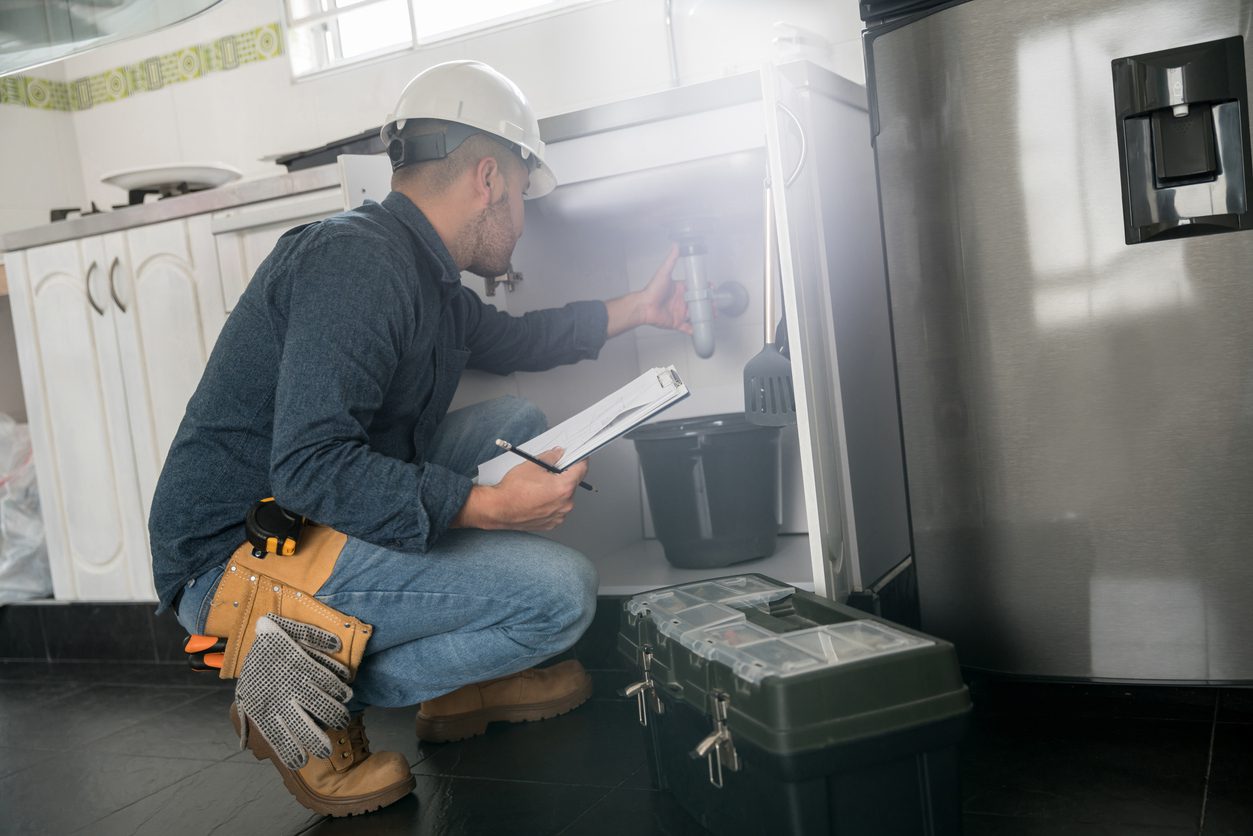
Ensuring building codes and plumbing maintenance compliance involves comprehensive inspections and regular maintenance schedules. Property owners and managers must engage licensed plumbers to conduct routine checks and repairs to address any issues promptly.
By proactively maintaining plumbing systems under regulatory requirements, stakeholders mitigate the risk of costly repairs, structural damage, and legal repercussions.
Additionally, fostering a culture of compliance underscores the commitment to safety and sustainability in the built environment, promoting the well-being of residents and preserving the integrity of Adelaide's infrastructure.
Compliance Advantages:
Legal conformity:
Following plumbing regulations guarantees businesses operate lawfully, minimising the potential for legal proceedings. This not only avoids fines and penalties but also maintains the integrity of the business operations, fostering stability and longevity.
Safety and welfare:
Adhering to compliance standards prioritises the safety of employees, clients, and the surroundings, decreasing the likelihood of accidents and health risks. Additionally, it cultivates a culture of safety within the organisation, promoting employee morale and productivity.
Reputation enhancement:
Businesses that comply with regulations foster trust and credibility among stakeholders, bolstering their reputation as reliable and responsible entities. This positive reputation can attract more customers, partners, and investors, leading to increased opportunities for growth and success in the market.
Maximising Plumbing Performance
Efficiency upgrades for plumbing systems are essential for minimising water wastage, reducing utility bills, and ensuring a smooth-running household. By implementing these upgrades and maintenance practices, you can improve the overall efficiency and longevity of your plumbing infrastructure.
Enjoy added convenience and comfort in your daily life. Whether you're tackling small repairs or embarking on larger renovation projects, these insights will empower you to make informed decisions and create a plumbing system that meets your needs and exceeds your expectations.
Enhance your plumbing system hassle-free:
1. Regular maintenance of the drain is essential to prevent clogs and maintain optimal water flow, ensuring the efficiency of your plumbing system.
2. Properly insulating pipes helps prevent freezing during colder months, reducing the risk of burst pipes and potential water damage to your property.
3. Replacing old pipes with newer, more durable materials can improve water quality, reduce leaks, and enhance the overall performance of your plumbing system.
4. Ensuring the efficiency of water heaters through proper maintenance and insulation can lower energy bills and prolong the lifespan of the appliance.
5. Adding a dedicated room for laundry can streamline household chores and provide convenient access to plumbing fixtures, improving overall functionality.
6. Installing modern faucets with features such as low-flow options and motion sensors can conserve water and lower utility costs while adding a touch of style to your home.
7. Incorporating a rainwater tank into your plumbing system allows you to collect and utilise rainwater for various purposes, promoting sustainability and reducing water consumption.
8. Outdoor taps provide convenient access to water for gardening, cleaning, and other outdoor activities, enhancing the usability of outdoor spaces.
9. Adding another bathroom to your home not only increases convenience and comfort for occupants but also adds value to the property.
Preventive Measures Against Plumbing Emergencies
Preventive measures against plumbing emergencies are crucial for reducing the likelihood of costly and disruptive issues. Implementing regular maintenance routines, such as inspecting pipes for leaks, ensuring proper insulation, and cleaning drains to prevent blockages, plays a vital role in emergency preparedness.
Homeowners should also schedule periodic professional check-ups to detect and address potential problems early. Regularly updating plumbing fixtures and promptly repairing any wear and tear can significantly mitigate the risk of unexpected emergencies, ensuring a smoothly functioning system and peace of mind.
Tips for Avoiding Plumbing Emergencies
Use garbage disposal judiciously
While it might be tempting to grind all leftover food and wash it down the disposal, certain items belong in the trash or compost. Avoid testing your pipes’ limits to prevent clogged sinks.
Drain your water heater tank annually to remove sediment build-up
Sediment accumulation in your water heater can cause it to produce less hot water and run more frequently, leading to overheating and potential tank damage. Have a professional flush your water heater yearly to avoid leaks and maintain efficiency.
Never pour fats, oils, or grease down the sink
These substances are liquid when warm but solidify and become sticky as they cool, leading to clogs by attracting other debris. Allow them to solidify and dispose of them in the trash can.
Don’t use flushable wipes
Most “flushable” wipes do not biodegrade quickly enough to prevent clogs. Instead of flushing them down the toilet, dispose of them in the trash can to avoid plumbing issues.
Know the location of your water shut-off valve
In the event of a burst pipe, knowing how to shut off the water to your house is crucial. It can make the difference between minor water damage and a major repair.
Don’t hang anything from exposed pipes
Hanging clothes, towels, or decorations from exposed pipes can add extra weight, putting stress on the joints and leading to potential failures. Avoid hanging anything from these pipes to maintain their integrity.
Use stainless steel reinforced clothes washer hoses
Rubber washing machine hoses can lose flexibility over time and are prone to leaks or bursts. Replacing them with stainless steel hoses can prevent future flooding and damage.
Don’t use drop-in toilet bowl cleaners
These cleaners are corrosive and can void some toilet warranties. Instead, use chlorine and manual scrubbing to clean your toilet and avoid potential damage.
Don’t clean drains with harsh chemicals
Although harsh chemicals can remove clogs, they can also deteriorate your pipes over time. Avoid using these chemicals to maintain the longevity of your plumbing system.
Collaboration with Professional Plumbers for Maintenance
For commercial plumbing maintenance, always rely on experts to minimise potential issues. Professional commercial plumbers have the experience to handle various plumbing problems and solutions, ensuring your business operates smoothly.
Investing in a quality Adelaide Commercial plumber will save you money in the long run. Here are the reasons to always choose a commercial plumber for your plumbing maintenance and the collaboration with professional plumbers for maintenance.
Reasons to collaborate with professional plumbers for maintenance:

Emergency Response Reliability
Timely assistance in crises builds community trust and security, ensuring swift resolution of emergencies and minimising potential harm.

Conservation Solutions
Balancing environmental concerns with practical solutions promotes sustainable practices for long-term viability and resilience.

Cutting-edge Technology and Gear
High-tech tools empower responders, maximising efficiency and effectiveness in critical situations, ultimately saving lives and resources.

Adherence to Regulations
Upholding legal standards ensures safety and ethical practices, mitigating risks and liabilities for all stakeholders involved.

Preventative Maintenance Schemes
Regular maintenance schedules prolong equipment lifespan, preventing unexpected failures and costly downtime disruptions.
Reduced Business Disruption
Implementing strategies to minimise operational interruptions maintains productivity levels and preserves client satisfaction, ultimately safeguarding business interests.

Tailored Training
Customised instruction enhances personnel proficiency in crucial areas, optimising response capabilities and overall performance for better emergency preparedness.
Documentation and Record-Keeping for Plumbing Maintenance
Documentation and record-keeping for plumbing maintenance are essential to ensure efficient operations and compliance. By meticulously documenting maintenance activities, such as repairs and inspections, plumbers establish a comprehensive record for future reference and audits. This documentation is a valuable resource, facilitating informed decision-making, and enabling swift identification of recurring issues.
Additionally, it enhances accountability and transparency, demonstrating compliance with regulatory standards and industry best practices. Ultimately, robust documentation practices empower plumbing professionals to uphold the integrity of systems, mitigate risks, and deliver superior service to clients.
Discover the techniques for maintaining optimal conditions in your plumbing system:
1. Plumbing Maintenance Tools and Equipment Needed
Proper tools like wrenches and plungers ensure efficient repairs, saving time and money in the long run.
2. Water Supply Inspection and Maintenance Procedures
Regular checks on pipes and valves prevent leaks, preserving water resources and reducing utility bills.
3. Examination and Cleansing of Drain Systems
Clearing debris from drains prevents clogs, minimising the risk of backups and water damage to property.
4. Plumbing Fixture Servicing and Upkeep
Periodic maintenance of faucets and toilets prolongs their lifespan, avoiding costly replacements.
5. Common Plumbing Issue Prevention and Resolution Techniques
Learning to detect and fix leaks promptly prevents water wastage and potential structural damage to buildings.
6. Safety Tips and Practices for Plumbing Maintenance
Using protective gear like gloves and goggles safeguards against injuries from sharp tools and chemicals.
7. Organisation and Monitoring of Regular Plumbing Maintenance Tasks
Implementing a maintenance schedule ensures timely inspections, enhancing the efficiency and longevity of plumbing systems.
Training and Education for Staff Involvement in Maintenance
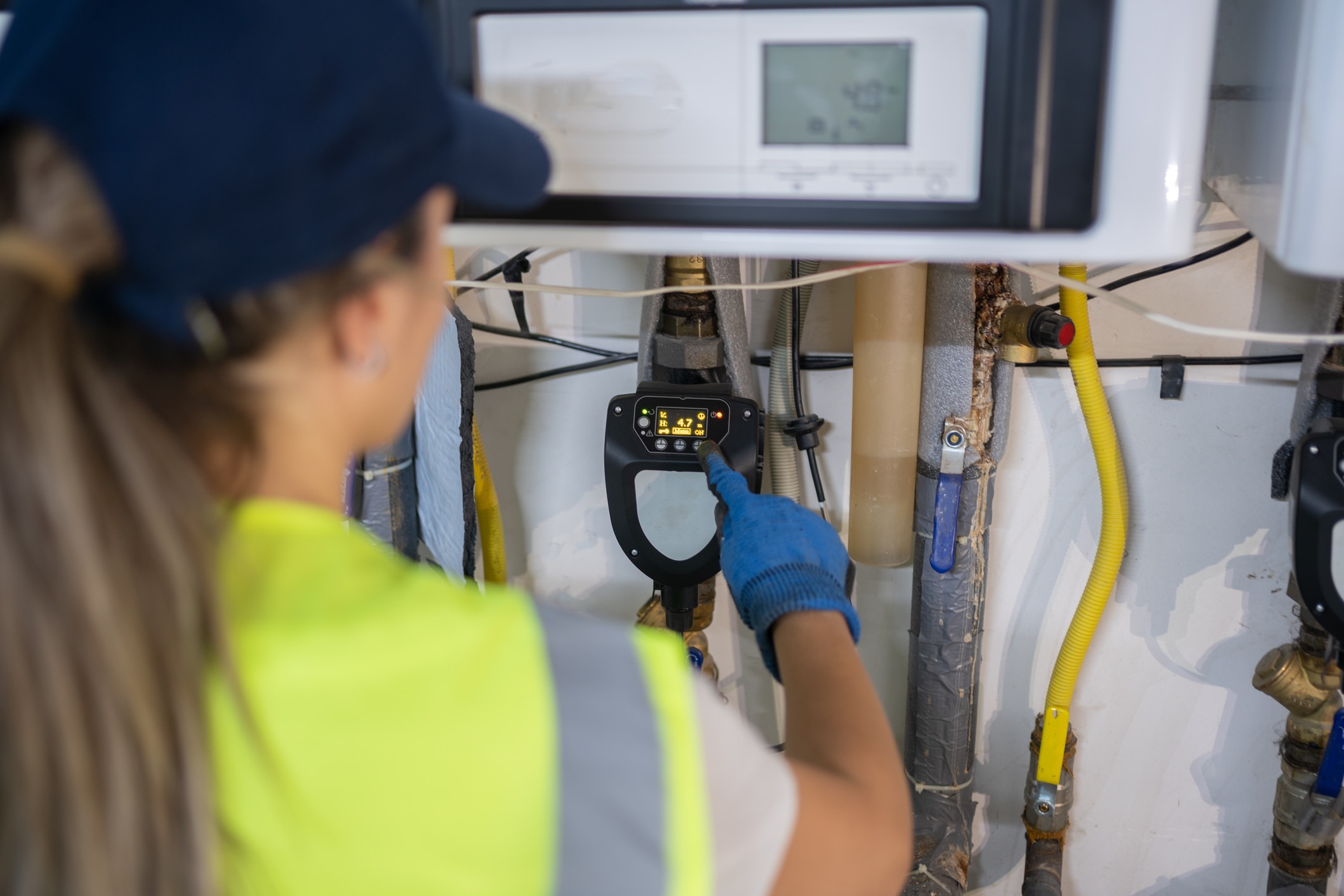
Staff training plays a pivotal role in supporting ongoing plumbing maintenance efforts, contributing significantly to the realisation of the benefits of regular plumbing maintenance. Adequate training equips employees with the necessary skills and knowledge to identify potential plumbing issues early on, thus preventing costly repairs and minimising downtime.
Through regular training sessions, staff members can learn about proper maintenance procedures, such as identifying leaks, clearing blockages, and performing routine inspections, empowering them to take proactive measures to maintain the plumbing system's integrity and reap the benefits of regular plumbing maintenance.
Moreover, investing in staff education enhances awareness and cooperation in the workplace regarding plumbing maintenance, further amplifying the benefits of regular plumbing maintenance. When employees understand the importance of regular maintenance in preserving the functionality of plumbing systems and preventing emergencies, they are more likely to actively participate in maintenance initiatives.
This heightened awareness fosters a culture of accountability and responsibility, where everyone takes ownership of maintaining a safe and efficient plumbing infrastructure, ultimately leading to improved operational efficiency and reduced maintenance costs, thus maximising the benefits of regular plumbing maintenance.
Conclusion
Regular commercial plumbing maintenance in Adelaide offers numerous benefits, including cost savings, minimised downtime, and prolonged infrastructure lifespan. Staff training is vital for effective maintenance, fostering a culture of cooperation and accountability.
For businesses in Adelaide, World of Water Plumbing & Gas provides reliable plumbing and gas services tailored to commercial needs. With a skilled team and commitment to excellence, World of Water ensures prompt, efficient service, enhancing the resilience and longevity of plumbing systems.
Choose World of Water for comprehensive solutions and peace of mind in maintaining your commercial plumbing infrastructure, maximising the benefits of regular plumbing maintenance.