
Introduction to Water Efficiency in Commercial Plumbing
Water Efficiency in Commercial Plumbing is crucial for businesses in Adelaide.
With the growing demand for sustainable practices, water conservation has become a top priority. Businesses can significantly reduce their operational costs by implementing water-efficient plumbing solutions, helping to protect the environment. As water resources become scarcer, commercial entities need to adopt measures that minimise water wastage and promote sustainability.
Water-efficient plumbing solutions offer numerous benefits. They reduce water consumption, leading to lower utility bills and improved profitability. These solutions also contribute to a company's corporate social responsibility goals by demonstrating a commitment to environmental stewardship.
Moreover, efficient plumbing systems can enhance the longevity and reliability of a building’s infrastructure, reducing maintenance costs and improving overall operational efficiency. In summary, investing in water-efficient plumbing is a smart and responsible choice for businesses aiming to thrive in today’s eco-conscious market.
Benefits of Regular Plumbing Maintenance for Adelaide Businesses
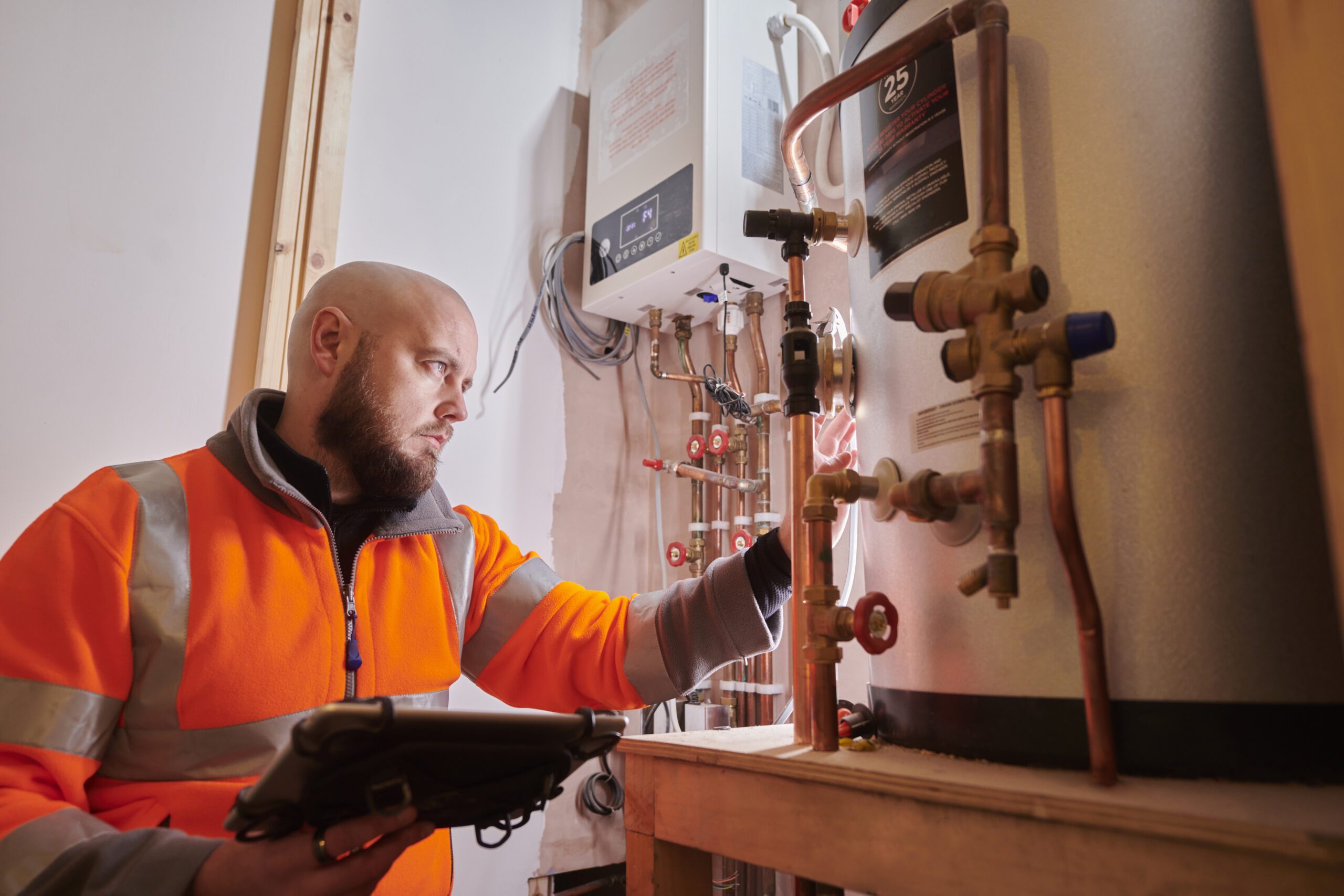
Adelaide faces unique water conservation challenges due to its semi-arid climate and variable rainfall patterns. These factors contribute to heightened concerns over water scarcity, necessitating innovative solutions for sustainable water management.
Efficient plumbing practices are pivotal in addressing Adelaide's water scarcity concerns. Installing water-saving fixtures such as low-flow taps and dual-flush toilets can significantly reduce water consumption.
Additionally, adopting technologies like rainwater harvesting systems and greywater reuse can further augment conservation efforts, making a tangible impact on Adelaide's water sustainability goals.
By implementing these measures, residents and businesses alike play a crucial role in safeguarding Adelaide's water resources for future generations.
Tips for Efficient Plumbing to Save Water:
Showers Beat Baths
Showers actually use less water than baths, making them a greener choice for conserving water at home. Additionally, they are generally quicker, saving time as well as water.
Dual-Flush Toilets Save More
Dual-flush toilets provide options for different water usage, ensuring efficient water conservation with every flush. This versatility not only saves water but also reduces water bills over time.
Low-Flow Fixtures Rock
Installing low-flow fixtures in your plumbing helps reduce water consumption without sacrificing performance, saving money and resources. They also contribute to a more sustainable household by lowering overall water usage.
Hot Water Fast
Insulating your hot water pipes reduces heat loss and ensures faster hot water delivery, improving energy efficiency in your home or work place. This simple upgrade can lead to significant savings on energy costs throughout the year.
Choosing Water-Efficient Plumbing Fixtures
When selecting water-efficient plumbing fixtures, it's essential to consider several factors to maximise efficiency and savings. Understanding your water usage patterns and needs is key to choosing the right fixtures that align with your goals for conservation and cost-effectiveness.
Modern technologies offer a range of options for enhancing water efficiency in plumbing. From low-flow showerheads and aerated faucets to high-efficiency toilets and smart irrigation systems, each product is designed to minimise water wastage without compromising performance.
By opting for these innovative solutions, homeowners and businesses can not only reduce their water bills but also contribute positively to environmental sustainability efforts. Investing in water-efficient fixtures not only benefits your immediate budget but also supports long-term conservation efforts in your community.
Selecting Water-Efficient Fixtures
- WELS Registration: Start by ensuring that fixtures are registered under the Water Efficiency Labelling and Standards (WELS) scheme to meet Australian water efficiency standards.
- Flow Rate: Consider the flow rate of each fixture to ensure it effectively reduces water wastage while meeting your household or commercial needs.
- Compatibility: Check compatibility with your existing plumbing setup to streamline installation and ensure proper functionality.
- Cost: Evaluate upfront costs and potential long-term savings to find fixtures that offer the best balance of affordability and water-saving benefits.
- Types of Fixture: Understand the various types available, such as taps, showers, and toilets, to choose those that best suit your usage patterns and preferences.
- Brand Reputation: Research reputable brands known for quality and durability in water-efficient fixtures to ensure reliability over time.
Installing and Maintaining Water-Saving Fixtures
- Choose Water-Efficient or Low-Flow Fixtures: Prioritise fixtures with low-flow technology to maximise water conservation without compromising performance.
- Shut Off The Water Supply: Always turn off the water supply before installation to prevent accidents and ensure a smooth process.
- Install The High-Efficiency Plumbing Fixtures: Follow manufacturer guidelines to properly install fixtures and optimise their water-saving capabilities.
- Check for Leaks: Regularly inspect fixtures for leaks to promptly address issues and prevent unnecessary water wastage.
- Maintain The Plumbing Fixtures: Adhere to recommended cleaning and maintenance practices to prolong the lifespan and efficiency of your fixtures.
- Monitor Your Water Consumption: Keep track of water usage to gauge the effectiveness of your water-saving efforts and adjust as necessary to further reduce consumption.
Implementing Smart Water Management Systems
Implementing smart water management systems can significantly enhance efficiency and sustainability. These systems monitor usage, detect leaks, and optimise water distribution in real time.
By integrating advanced technology, businesses and households can reduce waste, lower costs, and contribute to environmental conservation.
This comprehensive guide explores the benefits and detailed steps to implement smart water management effectively for long-term success.
Advantages of Smart Plumbing Solutions
A. Remote Monitoring and Control: Stay connected and in control of your home's plumbing systems from anywhere using your smartphone or computer, ensuring convenience and peace of mind. You can remotely adjust settings, check water usage, and receive alerts, giving you proactive management over your home's plumbing.
B. Data-Driven Insights: Access valuable data and analytics on your water usage patterns, enabling you to make informed decisions that promote efficient water management and cost savings. By understanding your consumption trends, you can implement strategies to reduce waste and optimise your household budget effectively.
C. Enhanced Home Security: Protect your home with advanced monitoring capabilities that detect and alert you to potential plumbing issues, enhancing overall security and minimising risks. This proactive approach not only safeguards your property from water damage but also provides early detection of unusual activity, enhancing overall home safety.
D. Leak Detection and Prevention: Detect leaks early and automatically shut off water to prevent damage, providing proactive protection for your home and conserving water resources. This feature not only saves money on costly repairs but also supports environmental sustainability by reducing water wastage.
E. Water Conservation: Implement smart features that optimise water usage, such as efficient irrigation and leak detection, contributing to environmental sustainability and reducing utility costs. These technologies help minimise water waste and ensure that every drop counts towards conserving this precious resource.
F. Energy Efficiency: Integrate smart plumbing systems with other home automation technologies to optimise energy usage, lowering overall consumption and promoting a greener lifestyle. By coordinating with your home's energy management systems, you can achieve greater efficiency and reduce your carbon footprint effectively.
Adelaide's Commercial Water Efficiency Regulations

Adelaide's commercial water efficiency regulations aim to promote sustainable water use and reduce wastage in businesses.
These regulations require companies to adopt efficient water practices, implement conservation measures, and regularly monitor usage.
Understanding and complying with these rules is crucial for businesses to operate sustainably and avoid potential fines.
To ensure compliance with Adelaide's commercial plumbing codes related to water efficiency, consider the following tips:
- Understand the Regulations: Familiarise yourself with Adelaide's specific water efficiency regulations and standards applicable to commercial properties. These may include guidelines on water usage limits, fixture requirements, and installation standards.
- Use Water-Efficient Fixtures: Install and maintain plumbing fixtures that meet or exceed Adelaide's water efficiency standards. This includes faucets, toilets, urinals, and showers rated per local guidelines for water use per flush or flow rate.
- Regular Maintenance: Implement a regular maintenance schedule for plumbing systems. This ensures that fixtures operate efficiently and that any leaks or inefficiencies are promptly addressed. Regular inspections can prevent water wastage and potential code violations.
- Compliance Certification: Ensure that all new installations and renovations comply with Adelaide's plumbing codes. Obtain necessary certifications or permits from local authorities as required for plumbing work in commercial buildings.
- Educate Staff: Educate staff and tenants about water-saving practices and the importance of compliance with local regulations. Encourage responsible water use through signage, training, and regular reminders.
- Monitor Water Usage: Implement systems to monitor water usage in commercial buildings. This can include metering, monitoring software, or regular audits to track consumption patterns and identify areas for improvement.
- Greywater and Rainwater Systems: If feasible and permitted, consider implementing greywater recycling or rainwater harvesting systems. These can reduce reliance on potable water for non-potable uses such as irrigation or toilet flushing, aligning with sustainability goals.
- Stay Updated: Keep abreast of any updates or changes to Adelaide's plumbing codes and regulations. Regulations may evolve to reflect advancements in water-saving technologies or changes in environmental priorities.
Case Studies: Successful Water Efficiency Implementations in Adelaide
Explore case studies of successful water efficiency implementations in Adelaide. These real-world examples showcase how local businesses have adopted innovative water-saving measures, resulting in significant cost savings and environmental benefits.
Learn from their experiences and discover practical strategies to improve water efficiency in your operations. This guide highlights best practices and proven solutions for sustainable water management.
Prominent Adelaide locations featuring advanced water management Today, smart water management is a standard feature in numerous developments across towns and cities in South Australia.
Below are some iconic locations in South Australia where water plays a central role in their design, creating cooler environments, reducing operational costs, and enhancing environmental sustainability:
- Adelaide Oval utilises reclaimed wastewater to irrigate the oval and toilet facilities, alongside water-efficient appliances throughout its buildings.
- Adelaide Zoo employs a web-based water management tool to detect leaks and forecast future savings.
- Adelaide Airport incorporates reclaimed wastewater and harvested stormwater for irrigation and toilet use, supported by an irrigation management plan.
- Wayville Showgrounds' Goyder Pavilion boasts a 3.5 million-litre underground water tank that captures rainwater and stormwater from the roof for various uses.
- Royal Adelaide Hospital employs reclaimed wastewater and harvested stormwater for irrigation and toilets, complemented by high-efficiency water fixtures throughout.
- Adelaide Parklands uses reclaimed wastewater exclusively for irrigation purposes.
- SAHMRI utilises reclaimed wastewater and collected rainwater for toilet flushing and irrigation, managed by intelligent irrigation controls, with high-efficiency water fixtures installed throughout.
- SA Water House employs reclaimed wastewater and harvested rainwater for toilet flushing, alongside high-efficiency water fixtures throughout the building
- benefits from a reclaimed water system that supplies the entire suburb, used for public spaces and residential needs such as garden watering, car washing, and toilet flushing.
Educating Employees on Water Conservation Practices
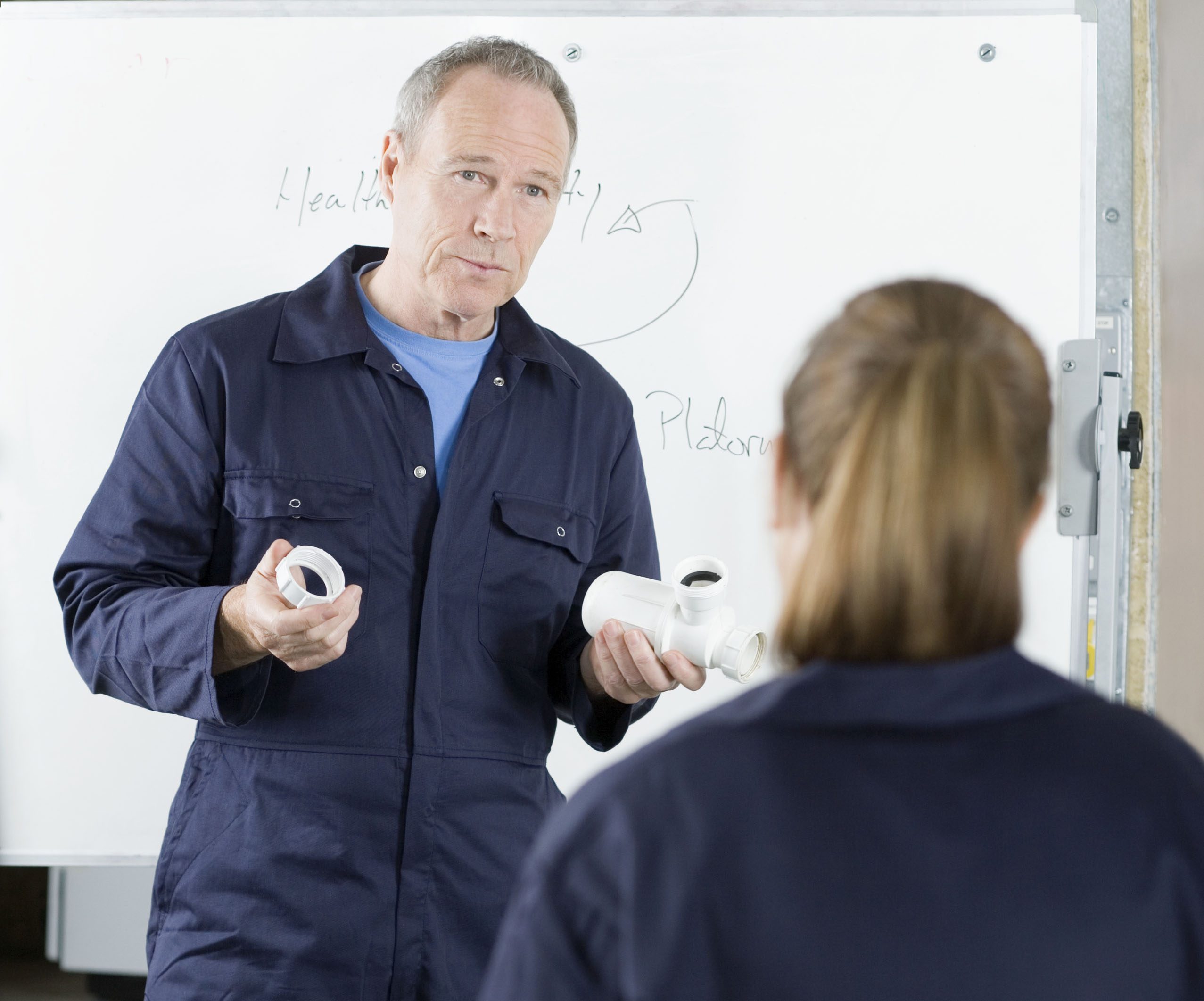
Educating employees on water conservation practices is essential for promoting a sustainable workplace. Effective training programs raise awareness about saving water and provide practical tips for reducing usage.
This guide outlines strategies for engaging employees, implementing conservation initiatives, and fostering a culture of environmental responsibility within your organisation.
Here are some ways to decrease water usage in the workplace:
Monitor water usage regularly - Keeping track of water consumption helps identify trends and areas where conservation efforts can be focused, leading to more efficient resource management and cost savings.
Perform maintenance checks frequently to detect and fix leaks promptly - Regular inspections ensure that any leaks or inefficiencies in plumbing systems are addressed swiftly, preventing water wastage and potential damage to infrastructure.
Use appliances only when essential to conserve water - Encouraging mindful use of water-dependent equipment reduces unnecessary consumption and supports sustainable practices in the workplace.
Educate employees about water conservation practices - By raising awareness and providing practical tips, staff can actively contribute to reducing water usage through conscious habits and choices.
Install self-closing taps to reduce water wastage - Automatic shut-off taps help minimise water wastage by ensuring taps are not left running unintentionally, promoting conservation without compromising convenience.
Explore other water-efficient products for everyday use - Incorporating efficient technologies and products, such as low-flow fixtures and water-saving appliances, further supports efforts to reduce overall water consumption in the workplace.
Assess the efficiency of toilets in managing water consumption - Understanding how effectively toilets manage water usage allows for adjustments or upgrades that improve efficiency and reduce unnecessary water loss.
Consider installing a Hydrotap as an option for efficient water use - Hydrotaps provide instant boiling, chilled, and sparkling water while optimising energy and water use, offering a sustainable solution for workplaces aiming to enhance efficiency and convenience.
Monitoring and Reporting Water Usage
Monitoring and reporting water usage is crucial for effective water management. Accurate data collection helps identify trends, detect leaks, and optimise consumption. Regular reporting ensures transparency and supports decision-making for conservation efforts.
This comprehensive guide provides practical steps for setting up monitoring systems, analysing data, and creating comprehensive water usage reports for improved efficiency, sustainability, and regulatory compliance.
Tips on implementing reporting systems for better water management:
- Water-Efficient Technologies: Start with implementing and reporting on water-efficient technologies like aerated faucets and high-efficiency bathroom fixtures. These technologies help in reducing water consumption and can be easily monitored for their effectiveness over time.
- Leak Detection and Monitoring: Establish a reporting system that tracks water usage patterns and promptly detects leaks. Monitor water metres and use automated systems to identify and report unusual usage spikes, which could indicate leaks. This proactive approach saves costs and conserves water resources.
- Water Recycling Practices: Develop reporting mechanisms to monitor and report on water recycling systems' efficiency. Track metrics such as recycled water volume and usage in various operational processes. This demonstrates a commitment to resource conservation and sustainability.
- Management of Tariff Errors: Implement reporting processes to monitor water billing accuracy and identify tariff errors. Conduct regular audits of water bills to ensure accurate billing and recoup any overpayments. Reporting on these audits highlights financial stewardship and efficiency in water cost management.
- Employee Education and Engagement: Integrate reporting frameworks to evaluate the impact of employee education initiatives on water conservation practices. Track metrics such as participation rates in water-saving programs and observed behavioural changes. Reporting on these initiatives demonstrates a commitment to fostering a water-conscious workplace culture.
Adelaide's Incentive Programs for Water-Efficient Plumbing
In Adelaide, several incentive programs aim to promote water-efficient plumbing upgrades, fostering sustainability and cost savings for businesses. One prominent initiative is the South Australian Government's Water Efficiency Program, which provides financial incentives and rebates to businesses that invest in water-saving technologies.
These incentives often cover a significant portion of the costs associated with upgrading to more efficient plumbing fixtures, such as low-flow taps, toilets, and irrigation systems. By participating in these programs, businesses not only reduce their water consumption but also lower operational costs over the long term, aligning with sustainable business practices.
Businesses in Adelaide are encouraged to capitalise on these available initiatives to enhance their environmental credentials and operational efficiency. Beyond financial benefits, adopting water-efficient plumbing supports Adelaide's broader goals of conserving water resources and promoting ecological sustainability.
This proactive approach not only helps businesses comply with regulatory standards but also positions them as responsible corporate citizens in the community. By leveraging these incentive programs, businesses can make meaningful contributions to water conservation efforts while improving their bottom line through reduced water bills and operational expenses.
A Sustainable Approach to Commercial Plumbing
Commercial plumbing for water efficiency is crucial for sustainable business operations. To improve water efficiency, businesses can install low-flow fixtures, regularly check for leaks, and utilise water-efficient appliances. Implementing a greywater recycling system can further reduce water waste by repurposing water for non-potable uses.
Regular maintenance and employee training on water conservation practices also play a significant role. By adopting these strategies, businesses not only reduce their water usage but also contribute significantly to Adelaide's water conservation efforts. Embracing these practices leads to cost savings and enhances the company's reputation for environmental responsibility.